Everything You Need to Know About Canberra Roof Guarantees
A new roof, a re-roof or a major repair is one of the biggest investments you can make in your Canberra home. A roof guarantee is meant to protect that investment, but not all guarantees are equal. Some cover materials only, some cover labour only, and some are little more than a line on an invoice. This guide explains how roof guarantees work in Canberra in 2026, what they usually cover, what they leave out, and how to make sure yours is worth having.
What Is a Roof Guarantee?
A roof guarantee is a promise from a roofing contractor, a manufacturer, or both, to fix certain problems if they appear within a set period. The words "guarantee" and "warranty" are often used interchangeably in Australia, and in practice they usually mean the same thing. What matters is who is making the promise, what exactly it covers, and for how long.
In Canberra, roof protection typically comes from four sources:
- Workmanship guarantee: provided by the roofer or builder, covering the quality of the installation (leaks from poor flashing, incorrectly fixed sheets, badly bedded ridge caps).
- Manufacturer's product warranty: provided by the maker of the tiles, steel sheeting, sarking, or sealants, covering defects in the materials themselves.
- Statutory protections: rights that exist under ACT building law and the Australian Consumer Law whether or not a contractor offers anything extra.
- Home warranty insurance: a insurance-backed safety net for certain residential building work if the builder cannot or will not fix defects (for example, if they become insolvent).
Workmanship Guarantees: The Part Most Homeowners Rely On
Most roof problems that appear in the first few years trace back to installation rather than the materials. Common culprits include poorly sealed penetrations (vents, skylights, flues, solar mounts), inadequate flashings around chimneys and valleys, insufficient fixings, and incorrect roof pitch or overlap for the product used.
Workmanship guarantees from Canberra roofing businesses commonly range from 5 to 10 years, though some offer less and a few offer more. A longer period is only valuable if the business is likely to still be operating when you need to make a claim. A reputable company with a long local track record, a physical address in the ACT or nearby region, and licensed staff is a safer bet than a cheaper operator who may not be around in 2030.
What a Good Workmanship Guarantee Should Include
Look for a written document that clearly states the start date, the duration, the specific work covered, and the process for making a claim. It should say whether the contractor will cover both labour and any materials needed to fix the problem, and whether the guarantee is transferable if you sell the property. A transferable guarantee can be a genuine selling point when you list your home.
Manufacturer Warranties on Roofing Materials
Roofing products come with their own warranties, and these can run for decades. Typical examples include:

- Steel roofing (such as COLORBOND steel): warranties vary by product and environment, and can run for many years against issues like perforation by corrosion or paint film failure. Conditions often apply, such as keeping the roof clean and free of debris and avoiding contact with incompatible materials.
- Concrete and terracotta tiles: manufacturers commonly offer long warranties, often 30 to 50 years, against structural defects in the tile. The warranty usually excludes damage from hail, foot traffic, and poor installation.
- Roof coatings, sealants and membranes: typically shorter warranties, and heavily dependent on correct preparation and application.
Read the fine print. Manufacturer warranties generally cover the product, not the labour to replace it. They also commonly require installation by a competent tradesperson following the manufacturer's specifications. If your roofer deviates from those specifications, the warranty can be voided.
Your Statutory Rights in the ACT
Even without a formal guarantee, you have legal protections. Under the Australian Consumer Law, services must be provided with due care and skill, be fit for their purpose, and be delivered within a reasonable time. These consumer guarantees cannot be contracted out of, so a clause saying "no warranty" does not remove your rights.
The ACT also has its own building legislation that places obligations on licensed builders for defective work, with longer liability periods generally applying to major structural defects than to minor, non-structural ones. Because rules and thresholds are updated from time to time, it is worth confirming current requirements with Access Canberra before signing a contract, particularly for larger projects such as full re-roofs or roof structure changes.
Home Warranty Insurance
For residential building work above a certain contract value, ACT builders are generally required to hold home warranty insurance and provide a certificate to the owner. This matters for major roofing work that forms part of a larger renovation or rebuild. It is designed to protect you if your builder becomes insolvent, disappears, or fails to rectify defects. Ask for the certificate before work begins and keep it with your records. If your roofing job is a smaller repair under the threshold, this insurance may not apply, which makes your written workmanship guarantee even more important.
Licensing: The First Step to a Valid Guarantee
A guarantee is only as reliable as the business behind it. In the ACT, building work must be carried out by appropriately licensed people, and roof plumbing work such as gutters, downpipes, flashings and stormwater connections may need a licensed plumber. You can check a contractor's licence status through Access Canberra's online licence register. Doing so takes a few minutes and can save you from serious headaches, since unlicensed work can complicate insurance claims and legal remedies.
Canberra Conditions That Affect Roof Guarantees
Canberra's climate is tough on roofs, and guarantees often reflect that. Understanding local conditions helps you read the exclusions properly.
Hail and Severe Storms
Canberra experiences intense hailstorms, and the city has seen major hail damage in recent years. Hail, wind, and storm damage are almost always excluded from workmanship and manufacturer warranties because they are classed as external events. These are matters for your home insurance policy. Make sure your insurance covers storm and hail damage, and check whether your policy has a separate excess for hail events.
Frost, Temperature Swings and UV
Cold winter mornings, hot summer afternoons and strong UV exposure cause roofing materials to expand and contract constantly. This can loosen fixings, crack sealants, and age coatings. Good installation allows for this movement. Guarantees may exclude normal wear and tear, so regular maintenance is how you keep your cover intact.
Bushfire-Prone Areas
Parts of Canberra and surrounding areas are designated bushfire-prone, and building work there must comply with the relevant Bushfire Attack Level (BAL) requirements. Roofing materials, sarking, ember protection and gap sealing all matter. A roof that does not comply with the required standard may not meet your guarantee conditions, and may cause problems with approvals or insurance.
Older Homes and Asbestos
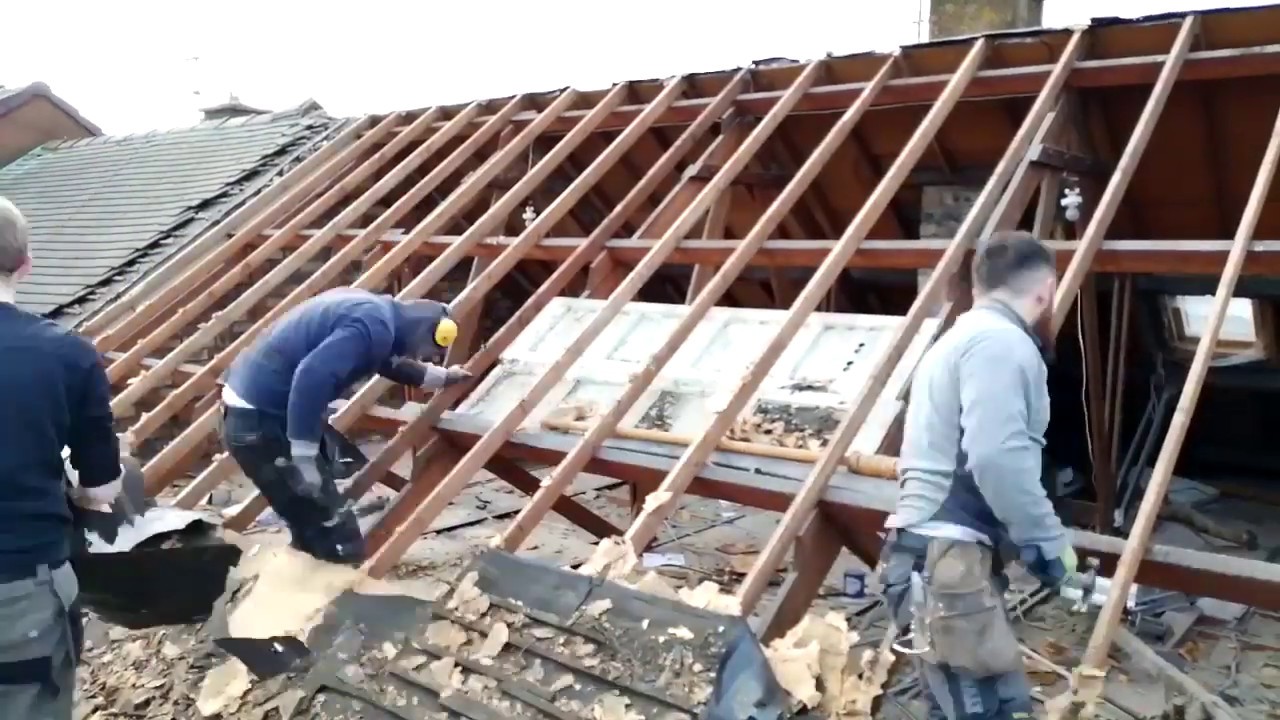
Many older Canberra homes built before the late 1980s may contain asbestos cement roofing or components. Asbestos removal in the ACT must be done by appropriately licensed removalists following strict safety rules. Do not allow anyone to cut, drill, or pressure-wash a suspected asbestos roof. If a roofer is willing to ignore this, treat it as a major warning sign about their overall standards and any guarantee they offer.

Common Exclusions to Watch For
Almost every guarantee has exclusions. Knowing the usual ones helps you avoid surprises:
- Storm, hail and natural disaster damage is typically left to your home insurer.
- Lack of maintenance, such as blocked gutters, built-up leaf litter, or moss and lichen growth, can void cover.
- Modifications by others, including installing solar panels, antennas, air conditioning units, or skylights without the original roofer's involvement, may invalidate the guarantee.
- Foot traffic and impact damage from tradespeople, tree branches or falling objects.
- Pre-existing structural issues such as sagging rafters or rotten battens not identified or addressed in the original scope of work.
- Non-payment, as some guarantees only become active once the final invoice is paid in full.
How to Protect Your Guarantee
A guarantee is only useful if you can prove it exists and that you have met its conditions. After your roof is finished, keep a folder, physical or digital, containing the signed contract, the final invoice, the written guarantee, manufacturer warranty documents, product batch information, licence details, and photographs of the completed work. Photograph the roof from several angles and take images of key details such as flashings and penetrations.
Schedule inspections at least once a year, ideally after the autumn leaf drop and again after any major storm. Keep gutters clear. If you need other trades on the roof, such as a solar installer, inform them of your guarantee and ask them to coordinate with your roofer or at least https://augustbnme248.dovetailscope.com/posts/how-canberra-x27-s-climate-shapes-your-roofing-material-choices follow manufacturer guidelines for penetrations and fixings. Keep records of all maintenance.
Making a Claim
If you spot a leak or defect, act quickly. Document the problem with photos and notes on when it occurs (for example, only during heavy rain from a particular direction). Notify your roofer in writing, referencing your guarantee. Allow them a reasonable opportunity to inspect and repair. If the issue is not resolved, you can escalate through Access Canberra, the ACT Civil and Administrative Tribunal (ACAT), or seek independent legal advice. Home warranty insurance claims follow a separate process through the insurer named on your certificate.
Avoid having another contractor carry out repairs on the affected area before notifying the original roofer, unless it is an emergency to prevent further damage. Temporary measures like tarping are generally acceptable, but keep receipts and photos.
Questions to Ask Before You Sign
Before accepting a quote, ask each roofer directly about their guarantee. Clear, confident answers are a good sign. Vague or evasive replies are not. Key points to raise include how long the workmanship guarantee lasts, whether it is in writing, what is excluded, whether it transfers to a new owner, what maintenance is required, and how claims are handled. Also ask which manufacturer warranties apply to your chosen materials and whether the contractor is an approved installer for that product.
Is a Longer Guarantee Always Better?
Not necessarily. A 25-year guarantee from a business with no track record is less valuable than a 7-year guarantee from an established Canberra company with a strong reputation. Consider the overall package: licensed workers, quality materials, a clear written contract, appropriate insurance, and a fair price. The cheapest quote often reflects shortcuts in preparation, materials or labour, which are exactly the things that lead to claims later.
Final Thoughts
Roof guarantees in Canberra are a combination of contractor promises, manufacturer warranties, and legal protections that work together. By choosing a licensed, reputable roofer, getting every promise in writing, understanding the exclusions, and maintaining your roof properly, you give yourself the best chance of a long, trouble-free roof. As rules and products continue to evolve into 2027 and beyond, it is wise to confirm current requirements with Access Canberra and your insurer before starting any significant roofing project.
Canberra Roof Restoration Experts
(02) 6105 9817